Safer Births
Saving lives at birth through research and development
The Safer Births Bundle of Care
The Safer Births program started as a research and innovation program in 2012. It has now become the world's biggest research program on improving maternal and newborn survival on the day of birth, and led to new implementation strategies, training tools and clinical tools.
From the years of research and collaboration, a lifesaving program was developed: the Safer Births Bundle of Care. A recent study published in The New England Journal of Medicine reported a 40% reduction in early newborn death and a 75% reduction in maternal death following the implementation of the Safer Births Bundle of Care program, in Tanzania.

Groundbreaking results
The Safer Births Bundle of Care supports birth attendants to better manage the most common causes of maternal and newborn mortality and is currently implemented across five regions in Tanzania.
The program
From innovation to implementation
The Safer Births Bundle of Care is an evidenced-based program designed to equip birth attendants with the skills and confidence to manage the leading causes of both maternal and neonatal mortality.
The bundle consists of 1) innovative simulation training methods and equipment, 2) strategies for data-guided continuous quality improvement efforts, 3) innovative clinical devices for fetal and newborn heart rate monitoring, and 4) processes to support sustainability and scalability.
In 2020, the program was implemented in 30 health facilities in Tanzania - and with funding from the World Bank’s Global Financing Facility – has since scaled to over 150 health facilities across five regions.


The Impact
Proven: Remarkable reductions in newborn and maternal deaths
The New England Journal of Medicine has just published a game changing paper showing the impact of the Safer Births Bundle of Care program, in Tanzania.
Researchers have published a study showing a 40% reduction in early newborn death and a 75% reduction in maternal death after the implementation of the Safer Births Bundle of Care program, in Tanzania.

THE IMPACT
Reducing maternal deaths
Globally, bleeding after birth is a leading cause of maternal deaths. The Safer Births Bundle of Care program trains healthcare professionals to efficiently deal with post-partum hemorrhage, with recent results showing a more than 75% reduction in maternal deaths.

The Impact
Creating a culture of trust and quality improvement
In Tanzania the Safer Births Bundle of Care program is helping reduce maternal and newborn mortality. It is also changing the way people work. A culture of reflection and learning is embedded in health facilities as part of the program. Quality improvement is a key focus with weekly simulation training, debriefing, and the use of data to inform improvement.

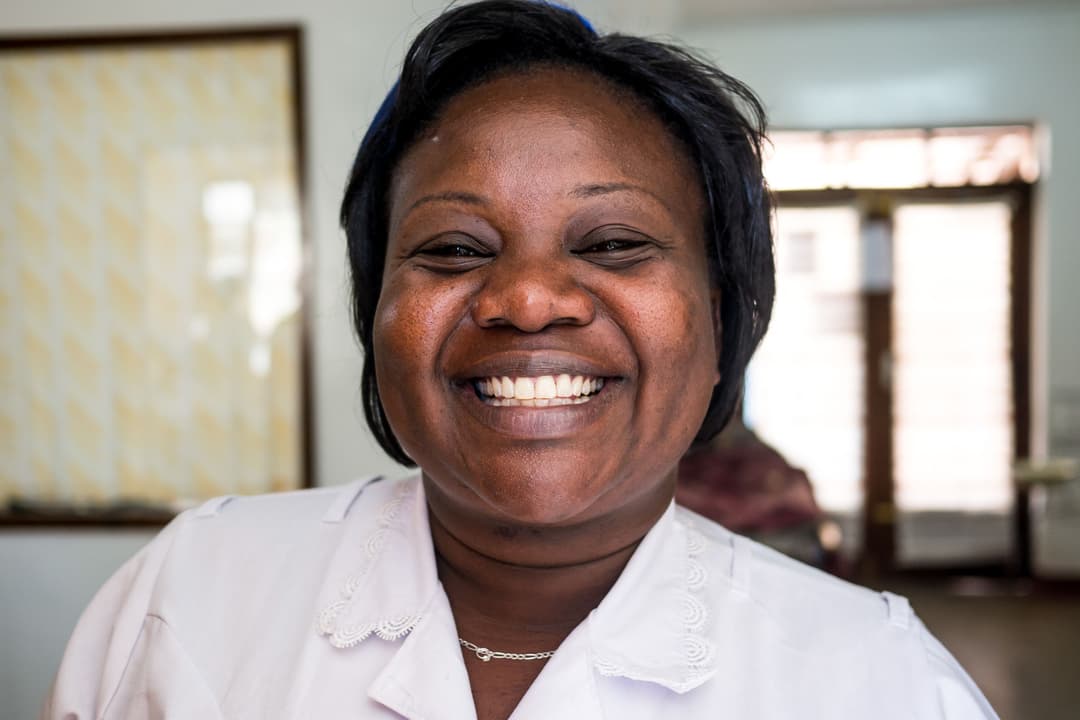
We have gained knowledge, resulting in increased confidence, improved skills and even a shift in our attitudes.
Halima Shabani Juma, Midwife at Nyamagana District Hospital, Tanzania
Informed by evidence
The world's biggest Day of Birth study
The Safer Birth Bundle of Care program stands on the shoulders of 12+ years of research from Tanzania, Norway, and the US. The research consortium encompasses 35 Ph.D. studies and is approaching the publication of over 200 peer-reviewed papers.


The patient data gathered in Haydom represent an unparalleled source for research
Jeffrey Perlman, Professor of Paediatrics, Weill Cornell Medicine, New York
Mother Maria
Maria was already a mother of 7 when she went into labor with her 8th baby, so the fact healthcare workers saved her life when she suffered postpartum hemorrhage is hugely impactful. Stories like this one emphasize the message that if a mother dies the ripple effects can be vast and devastating, but if a mother survives families and communities thrive.
More stories


